ER or emergency dentist in Orlando — which one?
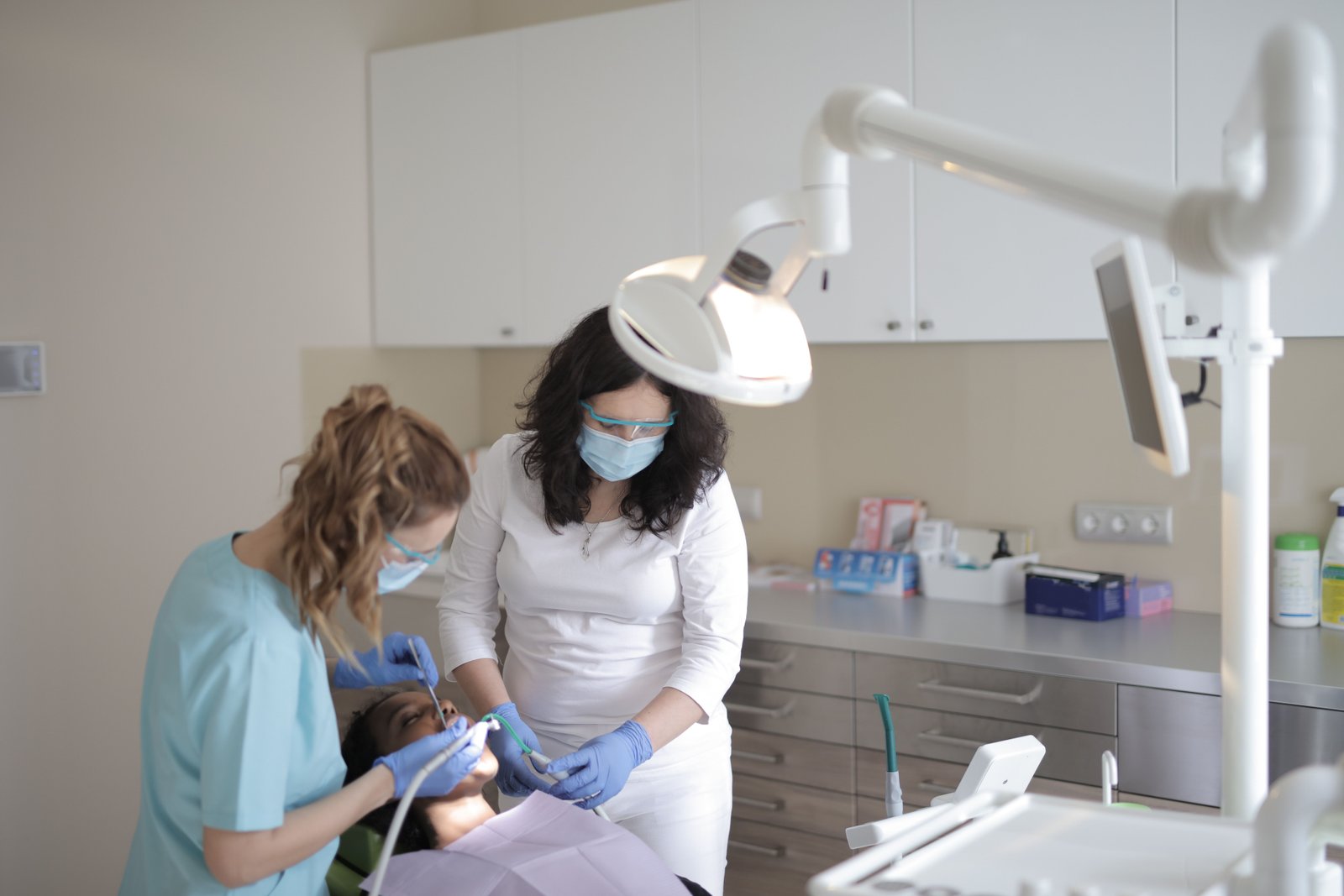
Say it is well past midnight, you are in Orlando, and your jaw is throbbing. You are weighing a drive to the hospital against tracking down a dentist who will answer. The right choice depends on what is wrong, and for most tooth problems the answer is the dentist.
Situations that belong in the ER
A suspected fractured jaw or facial bone. Hospitals have the scanners and the surgical teams to handle it.
Bleeding you cannot slow. If firm pressure has not reduced it after fifteen to twenty minutes, go in.
Swelling that makes breathing or swallowing hard. Treat this as an emergency and call 911.
Mouth injuries that come with other trauma. A car crash, or a fall with a possible concussion, should be checked medically before the teeth are considered.
Situations that suit an emergency dentist
A toothache, a cracked tooth, a tooth that has come out, a lost filling, an abscess, or a localized infection all fit here. A dental office can do what a hospital typically cannot, and it does so with the right tools.
The reason is simple. Most emergency rooms have no dentist on staff. The usual outcome is a prescription for pain medicine or antibiotics, a long wait, a bill, and advice to see a dentist afterward. The underlying tooth is still untreated.
At a dental office the dentist can take dental X-rays, find the source, and carry out the needed treatment, often completing it in one visit.
Why a hospital can rarely repair a tooth
Emergency departments exist for life-threatening conditions. They can stop serious bleeding, treat infections that have begun to affect the whole body, stabilize a broken jaw, and give IV fluids, strong pain relief, or IV antibiotics. What they generally lack is a dental chair, dental imaging, and someone trained to drain an abscess or extract a tooth. People often walk out with a paper prescription and a referral to the office they could have phoned in the first place.
Cases that involve both
Occasionally the order is hospital first, dentist second. A swollen face with fever and trouble swallowing needs urgent medical care today, and a dentist then deals with the source of the infection. After a blow to the head, doctors need to rule out a concussion before anyone looks at a chipped tooth. When you cannot tell, pick the option that protects your breathing and your head.
Packing a short list before you leave
Take a photo ID, your insurance card if you have one, a list of your medicines and allergies, and any tooth pieces stored in a little milk. Jot down when the pain or injury began and anything you have already taken. At a hospital or a dental office, that note will speed things along.
How the costs compare
A hospital visit for tooth pain typically produces a larger bill than a dental visit, and it often ends without a fix. A dental emergency visit usually costs less up front, and the treatment goes toward actually resolving the problem. Ask any office for a written estimate so there are no surprises, and ask about payment plans if the total is a concern.
The practical side of a late-night dental problem
Pain feels bigger after dark, and that makes decisions harder. Before you get in the car, take a minute to check for the red-flag symptoms listed above: trouble breathing or swallowing, swelling that is moving toward the eye or neck, or heavy bleeding. If none of those are present, a call to a dental line is a calm first step and often gets you a plan faster than a crowded waiting room. If any of them are present, do not hesitate to call 911 or go to the nearest hospital.
A note for visitors and families
Tourists and families staying near the theme parks often assume the hospital is their only choice outside business hours. It is not. Emergency dental help is available around Orlando, Kissimmee, and the surrounding suburbs, and a phone call can sort out where to go before you leave the hotel or rental.
Short version
Choose the ER for a broken jaw, bleeding that will not stop, or any trouble breathing. Choose an emergency dentist for nearly everything else. For help in Orlando, Winter Park, Kissimmee, Altamonte Springs, Apopka, or Sanford, call (407) 634-1631, including at night and on weekends.
Searching for an emergency dentist near me?
Distance is the wrong sort order. We look at which Orlando office has a free chair rather than which is nearest, because I-4 and the 408 change the answer by the hour. Walk-in patients are accepted at some practices and those slots fill through the day, so one call to (407) 634-1631 is faster than driving between offices.
Will an emergency room pull a bad tooth?
In most cases no. Hospitals generally have neither the dental instruments nor staff trained for extractions.
What can I do if it happens late at night?
Call (407) 634-1631. We connect you with Orlando dentists who provide after-hours care, and we can help you judge whether the ER is the safer stop.
Do hospitals give antibiotics for dental infections?
They often do, along with pain relief. Those medicines do not remove the cause, so you will still need a dentist to treat the tooth.
Is the ER or the dentist cheaper for a toothache?
The dentist usually costs less, and the visit is more likely to solve the problem. Ask for an estimate in writing before treatment begins.
How do I decide if I can't tell which to pick?
Call (407) 634-1631 and describe your symptoms. If you have trouble breathing or swallowing, rapidly spreading swelling, or heavy bleeding, go to the ER or call 911 instead.
Dental emergency in Orlando?
One call connects you with a same-day emergency dentist. Don't wait for it to get worse.